What Is Palm Sunday and Why Is It So Important to Christians?
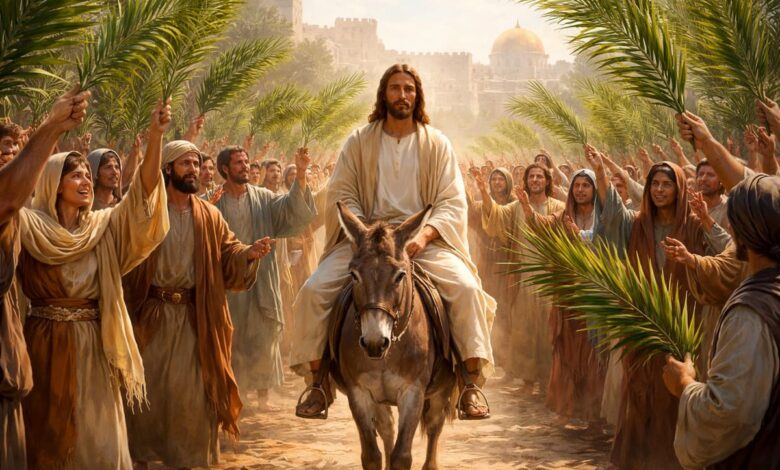
Every year, millions of Christians around the world wave palm branches to remember a powerful moment that shaped the Christian faith. Palm Sunday recalls the day Jesus entered Jerusalem, an event that marked the beginning of the final week leading to Easter.
Palm Sunday is a Christian holy day that commemorates Jesus Christ’s entry into Jerusalem, where crowds welcomed Him by laying down cloaks and waving palm branches in praise. It is celebrated on the Sunday before Easter and marks the beginning of Holy Week, the most important period in the Christian calendar.
Many people ask what is Palm Sunday, and why it holds such importance in Christianity. Palm Sunday is more than a symbolic tradition—it reveals the nature of Jesus’ mission and prepares believers for the events of His suffering, death, and resurrection.
In this article, we will explain the Palm Sunday meaning, its biblical background, historical development, symbolism, and how it is celebrated around the world, using clear and easy-to-understand language.
What Does Palm Sunday Mean?
To understand the meaning of Palm Sunday, we look at the biblical account of Jesus entering Jerusalem shortly before His crucifixion. According to the Gospels, Jesus rode into the city on a donkey while a large crowd gathered to welcome Him.
The people spread their cloaks on the road and waved palm branches as a sign of honor and celebration. They praised Him openly, believing He was the promised Messiah who would bring salvation.
In biblical times, palm branches symbolized victory, peace, and joy. By waving palms, the crowd recognized Jesus as a king. However, Jesus did not arrive as a political ruler or military leader. Instead, He entered humbly, pointing to a kingdom built on peace, service, and obedience to God.
Palm Sunday also marks the beginning of Holy Week. While it begins with celebration, it also points ahead to suffering, sacrifice, and ultimately resurrection. This contrast between joy and sorrow is central to Palm Sunday’s meaning.
Quick Summary: Palm Sunday at a Glance
- Celebrated on the Sunday before Easter
- Commemorates Jesus’ entry into Jerusalem
- Palm branches symbolize victory and peace
- Marks the beginning of Holy Week
History of Palm Sunday
The history of Palm Sunday is closely connected to the early Christian effort to remember and relive key moments in the life of Jesus. While the biblical event took place during Jesus’ final week on earth, the formal observance of Palm Sunday developed gradually within the early Church.
By the 4th century, Christians in Jerusalem were already commemorating Jesus’ entry into the city. Historical accounts describe believers gathering on the Mount of Olives and walking in procession toward Jerusalem, carrying palm branches and singing hymns. This reenactment allowed worshippers to physically and spiritually connect with the Gospel story.
As Christianity spread beyond Jerusalem, Palm Sunday became part of Christian worship in other regions. By the Middle Ages, it was widely observed across Europe. Churches introduced structured services that included Scripture readings, blessings of palm branches, and organized processions.
During this period, Palm Sunday celebrations often involved entire communities. Processions moved through towns and villages, reminding people of Jesus’ humble journey into Jerusalem. These public acts of worship reinforced the story of Palm Sunday and helped pass its meaning from one generation to the next.
Over time, cultural and regional differences shaped how Palm Sunday was observed. In areas where palm branches were scarce, other branches were used instead. Despite these variations, the central purpose remained unchanged: remembering Jesus’ entry into Jerusalem and preparing believers for the events of Holy Week.
Today, Palm Sunday continues to be observed worldwide, maintaining a strong link to its early Christian roots while adapting to modern worship practices.
Why Did People Wave Palm Branches?
Palm branches held deep meaning in the ancient world. They were commonly used to celebrate victories and honor kings. When the crowd waved palms for Jesus, they were expressing hope, honor, and recognition.
For Christians, palm branches symbolize:
- Victory over sin and death
- Peace and reconciliation
- Fulfillment of God’s promises
This act also fulfilled an Old Testament prophecy describing the Messiah’s arrival. The use of palm branches connects Palm Sunday to the broader biblical story of redemption.
Why Did Jesus Ride a Donkey on Palm Sunday?
One of the most important details of Palm Sunday is Jesus riding into Jerusalem on a donkey. This choice was deeply symbolic.
In ancient times, kings rode horses during war, but donkeys symbolized peace. By choosing a donkey, Jesus showed that His mission was not about political power or violence.
This action fulfilled a prophecy that described the Messiah as humble and gentle. It revealed that Jesus’ kingdom would be built on humility, love, and service rather than force.
Palm Sunday and the Beginning of Holy Week
Palm Sunday marks the start of Holy Week, a time when Christians reflect on the final days of Jesus’ life.
Maundy Thursday remembers the Last Supper, when Jesus shared a final meal with His disciples and taught them about love, service, and humility.
Good Friday commemorates the crucifixion of Jesus and focuses on reflection and remembrance of His sacrifice.
Holy Saturday represents a time of waiting and reflection, remembering when Jesus’ body lay in the tomb.
Easter Sunday celebrates the resurrection of Jesus from the dead and stands at the center of Christian faith.
Palm Sunday prepares believers spiritually for these events.
How Palm Sunday Is Celebrated Around the World
Palm Sunday is observed worldwide, and while the meaning remains the same, traditions often reflect local culture and worship styles.
Palm Sunday in the United States
In the United States, Palm Sunday is celebrated across Catholic, Protestant, and Orthodox churches. Services often begin with a procession, where worshippers carry palm branches while singing hymns.
Palm branches are usually blessed by clergy, and many people take them home after the service. These palms are often placed behind crosses or religious images as reminders of faith.
In some churches, the Passion narrative is read aloud, helping worshippers reflect on the events that will unfold during Holy Week.
Palm Sunday in the United Kingdom
In the United Kingdom, Palm Sunday is commonly observed in Anglican and Catholic churches. Palm branches are distributed, or local greenery is used when palms are unavailable.
A well-known tradition is the giving of palm crosses, which are woven from palm leaves. Many worshippers keep these crosses throughout the year and return them to the church to be burned for Ash Wednesday.
Palm Sunday in Latin America
In many Latin American countries, Palm Sunday is marked by large public processions. Worshippers carry palm branches, olive branches, or other greenery through streets decorated with flowers and banners.
In some regions, people create alfombras—decorative carpets made from colored sawdust, flowers, and leaves—along the paths of processions. These practices reflect deep cultural devotion and strong community involvement.
Palm Sunday in Africa
Across Africa, Palm Sunday is often celebrated with joy and strong community participation. Services may include singing, drumming, dancing, and extended worship.
In Ethiopia, Palm Sunday is known as Hosanna and is one of the most important celebrations in the Ethiopian Orthodox Church. Worshippers attend long services and carry palm branches as symbols of praise and faith.
Palm Sunday in Other Regions
In parts of Asia and the Middle East, Palm Sunday is observed through prayer services and processions, especially in historic Christian communities. Where palm branches are not available, churches use local branches or symbolic alternatives, emphasizing that the meaning matters more than the material.
Why Is Palm Sunday Important to Christians Today?
Palm Sunday remains important because it highlights the true nature of Jesus’ mission. He was welcomed as a king but chose humility over power.
The day invites believers to reflect on faith, commitment, and what it truly means to follow Christ. It also serves as a spiritual doorway into Holy Week, encouraging preparation for Easter.
Palm Sunday reminds Christians that lasting change comes through humility, peace, and service—values that remain relevant today.
Frequently Asked Questions About Palm Sunday
Why is it called Palm Sunday?
It is named after the palm branches used to welcome Jesus into Jerusalem.
What do palm branches symbolize?
They symbolize victory, peace, and honor.
How is Palm Sunday celebrated?
Through church services, processions, Scripture readings, and hymns.
What happens to the palm branches afterward?
They are often kept at home or returned to churches to be burned for Ash Wednesday.
Conclusion
So, what is Palm Sunday? It is a meaningful Christian observance that remembers Jesus’ humble entry into Jerusalem and marks the beginning of Holy Week. The Palm Sunday meaning points to faith, humility, sacrifice, and hope.
By understanding its history and traditions, Palm Sunday becomes more than a ceremony—it becomes a reminder that true greatness is found in service, peace, and devotion. As Christians observe this day, they prepare their hearts for the message of Easter and the lasting teachings of Jesus Christ.